

Every cyclist obsesses over watts, cadence, and nutrition timing, but few give the same attention to what happens after the ride. Recovery is where the real gains happen, and sleep is the biggest lever most of us ignore. Building better sleep hygiene habits can do more for your next hard effort than another set of intervals, because muscle repair, hormone regulation, and mental sharpness all depend on consistent, quality rest. If you’ve ever wondered why a tough group ride feels harder after a restless night, the answer usually isn’t fitness. It’s sleep debt.
Cyclists tend to think of recovery as foam rolling, compression socks, or a protein shake. Those things help, but they’re minor compared to what a solid night of sleep does for your body. Growth hormone release, glycogen restoration, and the repair of microscopic muscle damage from hard rides all happen primarily during deep sleep stages. Skimp on sleep and you’re essentially cutting your recovery window short, no matter how clean your diet is.
How Poor Sleep Shows Up on the Bike
Riders who aren’t sleeping well often notice it first in subtle ways. Power numbers that used to feel easy suddenly require more effort. Pacing on climbs feels off. Decision-making in a fast-moving pack gets sloppier. Mood swings and irritability during long rides are also common signs that your nervous system is running on empty.
Over time, chronic sleep shortfall can blunt the adaptations you’re trying to build through training. You might be putting in the hours on the bike, but without enough rest, your body never fully absorbs that work into real fitness gains.
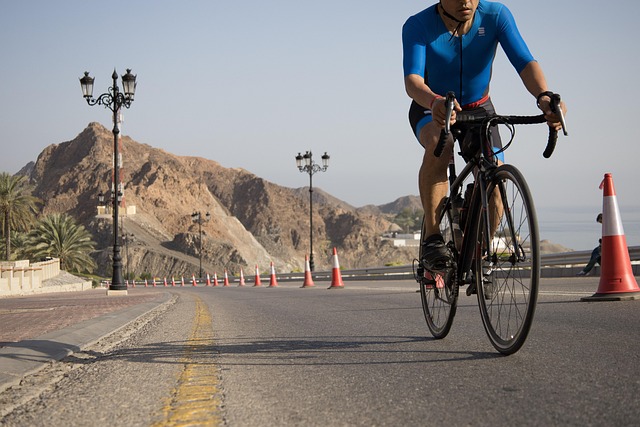
Building a Rider-Friendly Wind-Down Routine
Cyclists often train early in the morning or late in the evening, which can make consistent sleep timing tricky. Still, a few adjustments can help:
- Keep a consistent bedtime and wake time, even on rest days, so your body’s internal clock stays steady.
- Avoid intense trainer sessions or hard efforts within a couple hours of bedtime, since elevated heart rate and core temperature make it harder to fall asleep.
- Limit caffeine after early afternoon, especially if you rely on it for pre-ride energy.
- Dim screens and bright lights an hour before bed, since blue light can delay the release of sleep-promoting hormones.
Optimizing Your Sleep Environment Like You Optimize Your Bike
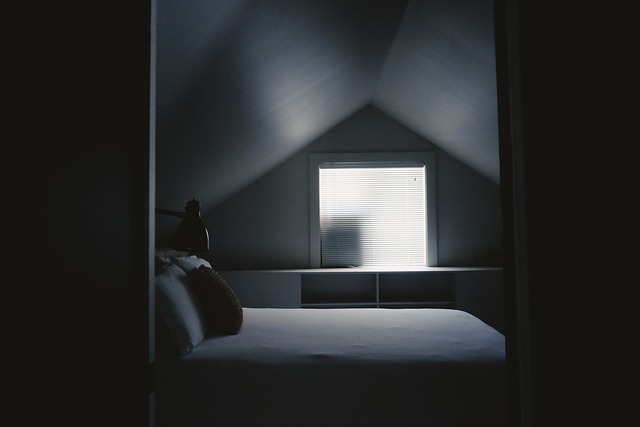
Cyclists love dialing in equipment, so apply that same mindset to your bedroom. Keep the room cool, around 65 degrees Fahrenheit, since body temperature naturally drops as you fall asleep. Block out light with blackout curtains, especially if you train at dawn and need to sleep in occasionally. A supportive mattress and pillow matter too, particularly if you deal with lower back tightness from hours in the saddle.
Treating Sleep as Part of Your Training Plan
Serious training plans account for rest days, but they rarely mention sleep targets. That’s a gap worth closing. Try logging your sleep duration and quality alongside your rides for a few weeks. You’ll likely notice patterns between poor sleep nights and underwhelming performances, or between consistent rest and personal bests.
Next time you plan a big training block or race season, build your sleep routine with the same intention you bring to your training calendar. Your legs will thank you on the climbs, and your mind will thank you in the final sprint.